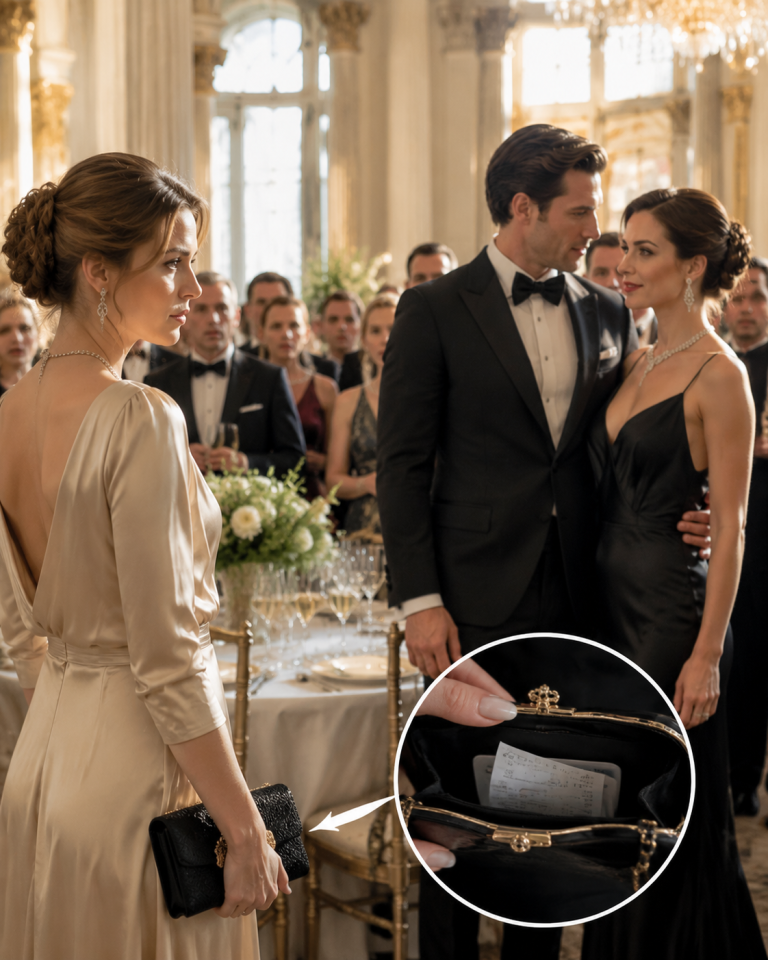
THE MAFIA BOSS INSTALLED HIDDEN CAMERAS TO EXPOSE WHO WAS TORMENTING HIS PARALYZED SON — BUT WHEN THE MAID LOCKED THE DOOR AND WHISPERED, “THEY WON’T GET AWAY WITH THIS,” HE REALIZED SHE KNEW EVERYTHING.

**PART 1**
The estate sat above the lake like a king who had stopped trusting his court.
Stone walls. Iron gates. Guards in pairs who communicated in looks rather than words. Security film on every window. Cameras above every entrance and under every eave. The gardens were immaculate and joyless in the way that happened when beauty served surveillance rather than pleasure.
Sebastián had built it after the accident.
Not rebuilt. Built. The old house — the real house, the one with Clara’s flower boxes and Leo’s drawings taped to the kitchen doorframe — that house had been sold within weeks of her funeral. He could not live where she had been happy while their son lay in a clinic room learning to breathe without screaming.
The new estate was a machine for keeping people out.
It had not worked.
Daniela Fuentes had arrived in his life eighteen months ago like something precisely engineered. Beautiful in the specific way of women who understand that beauty is infrastructure. Her father, a state senator with expensive debts and no interest in paying them, had needed what Sebastián could provide. What Sebastián had needed, after two years of grief so severe his enemies began testing the borders, was the appearance of stability.
The engagement had been strategic before it became public.
It remained strategic. He understood that now.
What he had not understood until the cameras caught Paulina’s testing kit was that Daniela’s strategy had a timeline he was not party to.
Paulina had come through a nursing agency that handled elite domestic placements. The director had recommended her with unusual hesitation.
“She was excellent,” the woman said on the phone. “Until Rush Medical.”
Sebastián had leaned back in his chair.
“What happened at Rush?”
“Medication went missing. Small quantities. Pediatric ward. The discrepancy was placed under her name. She fought the suspension for four months and then stopped.”
“She gave up?”
“She ran out of money.”
That was what made him agree to meet her. Desperate people were legible. Comfortable people hid things. Desperate people either ran or told the truth, and you could read which way they would go in the first five minutes.
Paulina did not behave like a desperate person.
She sat across from him in the library beneath the Venetian chandelier, back straight, hands folded, green eyes steady. Rodrigo, his underboss and oldest lieutenant, stood in the hallway with the exquisite boredom of a man cleaning a gun that did not need cleaning.
Sebastián opened her file.
“You were suspended for theft.”
“I was accused of it.”
“The distinction matters to you.”
“It should matter to anyone hiring me.”
The gun in the hall clicked.
Paulina did not turn her head.
Sebastián studied her face.
“My son requires room care, physical therapy assistance, feeding, hygiene, and observation. You are not his doctor. You do not speak to journalists. You do not bring anyone into this estate. You do not take him off the property.”
Paulina listened.
Then she said: “I will follow medical instructions. Instructions that cause him harm, I will not follow.”
The library went still.
Rodrigo appeared in the doorway.
Sebastián’s face darkened.
He stood and walked around the desk until he was directly above her chair.
Most people stood when he did. The ones who didn’t had usually been briefed.
Paulina had not been briefed.
She looked up at him.
“You are either very brave,” he said, “or very stupid.”
“People with power often confuse those.”
He could have ended the interview. He nearly did. But something in her eyes stopped him — not defiance, not recklessness. Fear, clearly. But not of him.
She was afraid of something else.
That made him curious.
“Monday,” he said.
Rodrigo stared.
Paulina stood.
“If I begin Monday, I need his full medical records, medication logs, nutrition charts, therapy notes, and permission to clear the room if anyone distresses him.”
Sebastián almost laughed.
“You are still making demands.”
“I am establishing conditions for care.”
He looked at Rodrigo.
Rodrigo said nothing.
“You will receive the records,” Sebastián said. “You will not remove my fiancée from my son’s room.”
Paulina’s expression did not change, but there was a pause.
“Understood. I would like all visitors documented.”
“Why?”
“Marco is nonverbal, physically dependent, and cannot report anything. Documentation protects him.”
Rodrigo laughed quietly.
Sebastián did not.
“You think like someone expecting betrayal.”
“I think like someone who has seen what happens when no one records it.”
That was the first time he wondered what Rush Medical had really done to her.
The camera installation happened the night before she arrived.
Three contractors. Midnight. Six lenses in Marco’s room: inside the stuffed rabbit’s eye, behind the smoke detector, in the brass fitting of the curtain rod, concealed in the spine of a picture book, and two more in corners only Sebastián knew. Feeds went to his office and his encrypted phone.
No one else knew.
Not Rodrigo.
Not the house staff.
Not Daniela.
For eleven months, Marco Romano had not spoken.
He had been six years old and laughing in the back seat when the black SUV came out of the highway rain and turned the armored car into folded metal. Clara had died at the hospital entrance. Marco had survived with spinal trauma that paralyzed him from the waist down and a psychological rupture that the doctors called selective mutism with careful voices that Sebastián hated.
He had bought every therapy that existed.
He had watched four nurses fail.
One cried. One photographed the estate. One left Marco in wet clothes for an hour rather than call a guard for fresh linens.
He had fired everyone.
Then Daniela arrived in his life, and she performed the role of future stepmother with the dedication of someone who had rehearsed it. She brought Marco books. She kissed his forehead. She cried once at a charity event about disabled children’s access. Society papers called her tender.
But she kept suggesting Switzerland.
The Swiss facility, in Daniela’s conversation, was peaceful. Private. Clean.
She said private the way people said buried.
He had filed the word away.
Sebastián watched Paulina on the monitors every night for two weeks.
He expected cruelty or negligence or theft.
Instead the cameras showed him devotion that looked nothing like performance.
She changed Marco’s sheets as if serving a prince, but she talked to him as if he were simply a boy. She massaged his legs, described the weather, read adventure stories in voices embarrassing enough that Sebastián, alone in his office at midnight, found himself leaning toward the monitor.
“Blue socks or green?” she would ask, holding both up.
Marco did not answer.
“Blue,” she decided. “You have the face of someone who appreciates tradition.”
One night she sat beside him in the rain and said: “You do not have to speak before you are ready. I am listening anyway.”
Marco’s eyes moved toward her.
Sebastián stopped the playback.
Watched it again.
Marco’s eyes had moved toward her.
Not emptiness.
Something behind them, tracking, present.
Another night she placed a music box on the bedside table. A soft melody. Marco’s fingers shifted under the blanket.
Nora noticed before Sebastián did.
She didn’t cheer. Didn’t rush. She simply rested her hand near his and whispered, “There you are.”
Sebastián turned off the monitor and sat in the dark for fifteen minutes.
He had forgotten what hope felt like.
It hurt more than grief.
But the cameras also caught something else.
Whenever Daniela entered Marco’s room, Paulina changed.
Barely. Not enough for a careless man.
Her shoulders tightened. Her hands moved closer to the boy. If Daniela brought milk, soup, applesauce, anything, Paulina watched the tray before she watched the face.
He told himself it was jealousy.
He saved the clips anyway.
Daniela bringing broth. Paulina switching the bowl.
Daniela with warm milk. Paulina delaying until the room was clear.
He told himself he was overreading.
Then Tuesday came.
—
**PART 2**
Sebastián was across the city in a private room above a restaurant he owned but never used for pleasure when the feed on his tablet showed Daniela entering Marco’s room at 8:14 p.m.
She wore a silk blouse and carried a silver tray.
A covered bowl.
Her smile was wrong.
The meeting around him continued — dock schedules, union pressure, three men from the northern operation watching his face for instruction. He heard nothing.
On the screen: Paulina setting down towels.
“I can feed him, Miss Fuentes.”
Daniela’s smile thinned.
“You always can. How fortunate we are.”
Paulina lowered her eyes.
Daniela placed the tray by the bed and told Paulina to ensure he finished all of it, then mentioned a doctor, then called Paulina disgraced with a voice like a nail through silk.
The men across from Sebastián kept talking.
He watched Daniela leave the frame.
He watched the door close.
He watched Paulina count three seconds, then run.
She locked the door.
Sebastián’s pulse dropped to the particular rhythm it found before violence.
He had made a rule. No locked doors. She knew the rule.
Then Paulina reached into her apron.
The syringe. The vial. The testing strip.
She drew from the soup.
The strip changed color.
Wrong color.
Paulina’s face went pale with fury.
She knelt beside Marco’s bed.
“I know,” she whispered. Her voice broke. “I know she is doing it. I will not let them hurt you anymore, Marco. I promise.”
Sebastián’s glass broke in his hand.
His men went silent.
Blood ran between his fingers onto the polished table.
He stood.
“Meeting is over.”
—
**PART 3**
No one questioned him.
They never did when he used that voice.
In the elevator, he did not call Rodrigo. He did not call the estate. He stood with blood soaking through his handkerchief and thought about who had access to the food supply chain, who controlled the kitchen logs, who could override the security records for twelve-second gaps that Paulina had apparently documented while he was watching her for signs of guilt.
Rodrigo had access to all of it.
Rodrigo, who had carried Clara’s coffin.
Rodrigo, who had held Sebastián back in the hospital corridor when the doctors said Marco would not walk.
Rodrigo, who brought the boy toy cars from every city he visited.
The armored car drove north through Chicago rain like a blade.
Sebastián watched the nursery feed on his phone.
Paulina had taken Marco’s hand.
She was feeding him from a sealed pouch of plain applesauce she had brought in her own bag, whispering that she objected to its texture but they were both being brave.
Marco swallowed.
Such a small thing.
Such a brutal miracle.
When the estate appeared through the trees, Sebastián told his driver to go around to the service approach and killed his own headlights two blocks from the gate. He entered through the maintenance passage beneath the east garden that had been built during Prohibition and that no one in his current organization knew existed. He carried his own key.
The hidden security room in the cellar contained the feed backups.
He watched the full recording of Tuesday’s visit from the beginning.
Then he sat in the dark for forty minutes because if he went upstairs immediately, he might kill the wrong people in the wrong order before Paulina had shown him the full shape of what he was inside.
Past midnight, he entered Marco’s room.
The amber nightlight cast everything soft.
Marco slept.
Paulina was in the armchair beside him, her head tilted toward the boy’s hand even in sleep, body angled between him and the door.
The door lock engaged behind Sebastián.
The sound woke her.
She was on her feet before her eyes were fully open, and she put herself between him and the bed without thinking about it.
He could see she believed he had caught her.
She thought she was about to die for keeping secrets from him.
She still did not move away from Marco.
Sebastián pulled out his phone instead of his weapon.
He turned the screen toward her.
She watched herself test the soup.
Her face went pale.
“I can explain.”
“Good,” he said.
The word came out rough, almost unrecognizable. Not a threat. Something worse.
He lowered the phone.
“Show me the results.”
She looked at him for a long moment, searching for the version of him she expected.
He waited.
“Show me the results, Paulina. Then tell me how we destroy them.”
Understanding crossed her face slowly.
The trembling stopped.
She knelt and reached beneath the mattress. His hand moved toward the holster. She paused.
“It is a lockbox.”
He nodded.
She opened it with a key on a chain at her throat. Inside: labeled sample vials, testing strips, evidence bags, and a notebook packed with dates, times, symptoms, and handwriting so small it looked like it had been written to survive being hidden.
Victor’s son’s life in ink.
Not as grief.
As evidence.
“I did not steal from Rush Medical,” she said.
He said nothing.
“I found medication going missing from the pediatric ward. Real drugs replaced with diluted substitutes. Children suffering while someone sold hospital stock through private channels. When I reported internally, the chief of surgery buried it. When I went higher, the theft appeared under my name.”
She looked at the carpet.
“They chose me because I had no money, no lawyer, no family. By the time charges were dropped, my license was gone and the story was already mine.”
“Names,” he said.
“Later.” She met his eyes. “Marco first.”
That sentence.
That sentence should have angered him.
Instead it steadied him. Like a blade finding its balance.
She opened the notebook.
“When I arrived, his presentation did not match trauma alone. His pupils fluctuated wrong. His responsiveness improved after longer gaps between Daniela’s meals. His respiratory dips aligned with food she delivered — never with kitchen meals I prepared myself.”
She turned pages.
“I began testing samples fourteen days ago. The compound is sophisticated. Not street-level. It suppresses speech, movement, alertness in cumulative doses. Based on the pattern, they were not trying to kill him quickly.”
Her voice cracked.
“They were making him disappear. Slowly. Until his lungs or heart failed and every doctor in Chicago called it a complication of his spinal injury.”
Sebastián gripped the notebook until the paper bent.
He looked at Marco.
Thin hands. Dark curls against the pillow. Eyes closed.
The sound his son couldn’t make.
“She cannot be acting alone,” he said.
“No. The supply requires cold storage, medical routing, kitchen access.”
“Rodrigo controls all of it.”
Paulina looked at him without surprise.
That told him she had suspected too.
“He glitches the north hall camera for twelve seconds every time she brings food,” she said. “Kitchen check logs appear after delivery, not before. I have charted seventeen occurrences.”
Sebastián looked at her.
“You noticed all that.”
“I was a nurse. Charting lies is still charting.”
A sound from the bed.
Both of them turned.
Marco’s eyes were open.
Not glazed. Not empty.
Awake.
Alert.
Watching them.
Sebastián took a step and then stopped himself because he did not know what to do with his own hands.
Paulina moved first, easy, familiar, settling close to the boy.
“It is all right,” she whispered. “He knows.”
Marco’s hand moved under the blanket.
Not much.
Enough.
Sebastián reached for the bed rail and then stopped again.
Paulina saw.
She lifted Marco’s hand and placed it in Sebastián’s.
He held it with both hands.
As if holding something breakable.
“I am sorry,” he said to his son.
Marco’s eyes filled.
No sound came.
But tears meant presence.
Sebastián bowed his head.
Paulina turned to give them the moment.
He reached out with his bleeding hand and caught her sleeve.
“Don’t leave.”
She looked back.
He met her eyes.
“Because of you,” he said. That was all. Two words.
For a moment the room held something neither of them could have named.
She looked away first.
“We still need proof for a case that holds.”
He released her sleeve.
“What do you suggest?”
“Let them think you are gone.”
The plan was clean and quietly brutal.
Sebastián told Rodrigo at breakfast the following morning that the northern families required him in person. Tonight. He watched Rodrigo’s face. Rodrigo looked competent and concerned. He looked the way a man looked when he had already planned for the boss to leave.
Daniela placed her hand on Sebastián’s arm.
“You should go. You cannot let them think Chicago is uncertain.”
She said certain the way someone said scheduled.
He looked at her and smiled.
The hardest thing he had ever done.
The convoy departed at six. Sebastián rode two miles before moving into a secondary vehicle that returned through the Prohibition tunnel beneath the east garden. He reached the cellar security room by seven.
Paulina was reading to Marco on the monitors. A story about a sea captain. Her voices were terrible in a way that made the room feel like it was almost laughing.
“That is an offensive pirate accent,” she told Marco seriously. “I apologize on behalf of literature.”
Marco’s eyes moved toward her.
Sebastián watched.
At 9:08, Rodrigo moved through the north corridor and opened a concealed panel cabinet. Inside: a medical cooling case. He removed something silver-wrapped and placed it in his coat.
Sebastián did not speak.
At 10:43, Paulina prepared the room.
She checked Marco’s pulse. She moved evidence to the floor board. She placed an emergency signal near the bed left in a goodbye touch Sebastián had managed when everyone was watching him say farewell to his son.
She knelt beside Marco.
“They may come tonight,” she whispered.
His eyes widened.
“I know. I am frightened too.”
His fingers moved.
She smiled even though her eyes were wet.
“Your father is close. I am close. You are not alone in this room.”
Marco’s lips parted.
No sound.
Paulina brushed his hair back.
“Stay with me.”
At 11:17, Daniela came down the hall in a black silk robe, hair loose, a silver tray in her hands. Rodrigo followed, silent, large, a gun against his thigh.
In the cellar, Elias — the off-books security contractor who had installed the cameras — adjusted audio levels.
“Recording all feeds,” he said quietly.
Sebastián was already at the stairs.
“Wait,” Elias said. “Let them state intent.”
He was right.
Sebastián waited.
On the monitor: Daniela entering. Nora blocking the bed. Rodrigo locking the door.
*Time for his medicine.*
*I can give it to him.*
*You are finished giving orders in my house.*
Rodrigo raising the gun.
Then Daniela pulling a syringe from her robe.
No more pretending.
No more microdoses.
The thing in her hand was meant to close the story tonight.
Paulina’s voice remained steady.
“You don’t have to do this.”
Daniela laughed.
“This is about survival. Mine.”
She looked at Marco.
“Victor was supposed to become stronger after Clara died. Everything became Leo. Leo’s doctors. Leo’s room. Leo’s silence. Do you know what it is to live beside a ghost child?”
Paulina’s voice went sharp.
“He is not a ghost.”
“He is an anchor. Sebastián rotted in this house. The families see it. The O’Connors see it. Rodrigo sees it.”
Rodrigo’s jaw tightened.
“A weak boss gets people killed.”
Paulina looked at him.
“And a murdered child makes you strong?”
“Careful,” he said.
Daniela moved toward the bed.
Paulina blocked her.
Rodrigo pressed the gun against Paulina’s side.
“Move.”
She did not.
Leo — Marco — watched Rodrigo with eyes full of recognition. He had heard her voice in the room for weeks. He knew who this man was.
Daniela shoved Paulina hard. She hit the bedside table, pain cracking through her ribs, but she caught Daniela’s wrist before the syringe could reach Marco’s IV line.
Then a voice came from the bathroom doorway.
“Let go of her.”
Daniela screamed.
Rodrigo spun.
Sebastián stood in the doorway in black, face calm, eyes not calm at all.
Two armed men emerged from the bathroom behind him. At the same moment, the balcony doors opened from outside — silent, no shattered glass, because the team on the exterior wall had been there for ninety minutes. Red indicator lights from three positions settled on Rodrigo’s chest.
Rodrigo froze.
The gun dropped half an inch.
“All the way,” Sebastián said.
The pistol hit the carpet.
Daniela’s eyes went to Sebastián.
“Victor.” She found tears with the speed of someone who had practiced this contingency. “She attacked me. I came to check on Marco and she—”
Sebastián walked past her.
He held up his phone.
Elias’s voice came through the room speakers.
“All feeds recorded. Full confession captured. Cabinet transfer recorded. Audio clean.”
Daniela stared at the speaker.
Rodrigo closed his eyes.
Sebastián took the syringe from between the two women’s hands with a gloved palm.
Daniela stepped toward him.
“I can explain—”
“You just did.”
She changed tactics instantly. The tears multiplied. She claimed Rodrigo had threatened her father. She claimed she had been coerced. She made herself smaller and softer and more afraid-looking by the second with the precision of someone who had done this before.
“Everything I did, I did for you,” she said. “I was scared of losing you.”
Sebastián looked at her.
“You were bored.”
Her mouth opened.
“You were impatient with grief.”
“No—”
“You were willing to murder a child because his silence made my house feel like a burden.”
Silence.
Federal agents entered through the hall.
Daniela’s eyes widened.
Not Sebastián’s men.
Federal agents.
That was what broke her composure fully. Because it meant this ending would not disappear under the lake. It would have a record. A trial. Public light.
Victor Romano, who had spent his life outside the law, had chosen evidence over execution for his son.
They cuffed Daniela while she screamed.
Marco’s eyes squeezed shut.
Paulina rushed to him and covered his ears with both hands.
Sebastián looked at the federal officer.
“Get her out.”
Daniela’s voice faded down the hall.
Rodrigo was led without drama.
He did not look at Sebastián.
That was its own verdict.
The door closed.
Paulina sat on the edge of Marco’s bed, shaking so badly she pressed her hands flat against her knees to slow it. Fear stayed in the body after danger left. Sebastián knew this. He had learned it years ago. He crossed the room and dropped to one knee beside the bed.
Not ceremony.
His legs needed something solid.
“Paulina.”
She looked at him.
The bruise from hitting the table was already dark at her temple.
“I am sorry,” he said.
“For what?”
“For building a house where you had to become braver than every man I trusted.”
Her eyes filled.
“I chose to stay.”
“I know.”
“Marco needed someone.”
His voice broke.
“He needed me.”
She did not lie to him.
“Yes.”
He bowed his head.
“I watched for enemies at the gates.”
“And they learned to enter through the dining room.”
It should have sounded like accusation.
It sounded like something harder. Mercy.
Marco made a sound.
Both of them turned.
His hand moved on the blanket.
Toward Paulina first.
She took it.
Then, slowly, his fingers shifted.
Paulina guided his hand into Sebastián’s.
“D…” Marco’s lips trembled.
Sebastián stopped breathing.
“Da…”
He folded both hands around his son’s.
“I am here,” he whispered. “I am here, little lion.”
Marco’s breath came ragged.
“Dad.”
The word was small.
Broken.
Holy.
Sebastián bowed his head over Marco’s hand and wept the way men wept when they had not allowed themselves to do it for eleven months. Not loudly. Quietly. The way water finds stone in the dark.
Paulina turned away.
Marco’s fingers pulled at her sleeve.
She looked back.
His eyes found hers.
“P… Paulina.”
She pressed one hand over her mouth.
The word barely had breath behind it.
It filled the room more than any scream.
Sebastián lifted his head. He reached for Paulina with his bandaged hand.
She did not pull away.
He held her fingers across Marco’s blanket, the three of them connected in the amber nightlight while rain moved quiet against the windows.
—
By sunrise, the estate was already different.
Guards were replaced before breakfast. Security logs seized. Rodrigo’s office stripped to the walls. Daniela’s rooms sealed. Senator Fuentes’s photograph removed from the library and burned in the fireplace with no ceremony.
Sebastián did not sleep.
Neither did Paulina.
She sat on the hallway bench with a blanket around her shoulders when he came out of Marco’s room at four in the morning after the federal doctor had finished his examination.
The bruise at her temple had darkened.
Sebastián sat beside her on the bench.
“You should have come to me sooner.”
Paulina looked at her hands.
“With a vial and a theory.”
“With suspicion.”
“You would have killed the wrong person too early.”
He was quiet.
She looked at him.
“You know I’m right.”
He hated that he did.
“I watched you for weeks,” he said. “Waiting to catch you.”
“I know.”
He looked at her sharply.
“Not at first,” she said. “But by the third day I noticed the stuffed rabbit’s eye reflected light at the wrong angle. The smoke detector blinked too deliberately. The picture book spine was always at the exact same angle even after I dusted.”
Sebastián stared at her.
“You knew about the cameras.”
“I suspected.”
“And stayed.”
“I needed you to see.”
He sat with that.
“When you tested the soup—”
“I hoped you were watching.” A slight, tired smile. “Either you would kill me, or you would understand.”
“You gambled your life on my love for him.”
“Not on your love. On what your love was capable of when it had something real to look at.”
The distinction went through him quietly.
Dante had called love weakness. Rodrigo had called it a liability.
Paulina had called it the one tool he had that none of his enemies could duplicate.
“Rush Medical,” he said.
Her shoulders stiffened.
“I want the names.”
“You want revenge.”
“Yes.”
“And justice looks different.”
“Teach me the difference, then.”
She looked at him for a long moment.
“A child died,” she said.
The hallway held that.
“Six years old. Leukemia. His pain medication kept failing early. His mother asked everyone who would listen. I checked the disposal records. Pharmacy logs. The numbers didn’t match. When I reported it, the chief of surgery called me young, emotional, and confused.”
Her jaw set.
“The next week, missing medication appeared in my locker. A nurse manager planted it. She cried while she did it. He had something on her.”
“You have documentation.”
“Copies I couldn’t use alone then. Maybe enough now.”
He stood.
“Give them to me.”
“No.”
He turned.
She stood too.
“If you bury them in the way you bury things, nothing changes. The hospital hides it. Another nurse falls. Another child suffers.” She held his gaze. “Use lawyers. Investigators. Pressure through proper channels. Keep it in the light.”
“In the light,” he repeated.
“Yes.”
“You ask strange things of men like me.”
“I ask necessary things of fathers.”
Marco’s door opened.
The federal physician stepped out.
“He is asking for you.”
Sebastián’s face changed immediately.
“For me?”
“And for Miss Paulina.”
They entered together.
Marco lay propped against pillows, color in his face that had not been there in eleven months. His eyes moved clearly from his father to Paulina and back.
“Dad,” he said. The word still rough but more solid than the night before.
Sebastián sat on the edge of the bed.
“Little lion.”
Marco’s fingers moved toward the window.
Paulina understood first.
“The curtains?”
A slow blink.
Sebastián stood and pulled them wide.
Morning came into the room, gray then silver then pale gold as the clouds shifted. The light fell across Marco’s blanket, across Paulina’s bruised face, across Sebastián’s black shirt and the blood-stained handkerchief he still had not replaced.
Marco looked at the light for a long time.
Then: “No dark.”
Sebastián closed his eyes.
“No dark,” he promised. “Never again.”
—
Promises in Sebastián Roca’s world required action to hold their shape.
The following weeks were brutal in the specific way of things that had been delayed too long.
Rodrigo’s betrayal sent fractures through the organization. Men who had been loyal to him required evaluation. Some disappeared before they could be questioned. Some submitted and were watched. The northern families, sensing instability, tested the borders with small provocations.
Sebastián answered with strategy.
He did not start a war. He ended three.
Deals were renegotiated. Partners tied to Senator Fuentes were cut loose before they became liabilities. Men connected to Rodrigo were given a binary choice: transparent audit or exit from Chicago. Those who chose violence discovered that Sebastián had not become soft.
Only more precise.
Daniela’s trial became what trials became when powerful people fell. Society circles pretended shock. Political commentators called the senator’s arrest a misfortune. Old friends claimed they had barely known her. Women who had praised her elegance announced they had always found her cold.
Paulina refused interviews.
Sebastián made certain no journalist reached Marco.
When federal prosecutors offered Paulina protection in exchange for testimony in both the poisoning case and the Rush Medical investigation, she accepted only after Sebastián promised to keep his hands off the legal process.
“I can protect you better,” he said.
“You can protect me louder. Different thing.”
He hated that.
He accepted it.
The Rush case reopened.
This time Paulina did not stand alone. Sebastián funded investigators through legal channels clean enough that even the prosecutors admitted surprise. Former staff came forward. Records thought deleted appeared from backup systems. Families who had been told their children’s suffering was unavoidable learned that some of it had been someone else’s profit.
The chief of surgery resigned before the indictment.
Then was indicted anyway.
Paulina’s license was reinstated on a Wednesday morning in October.
She stood in the kitchen holding the envelope.
Marco sat nearby in his wheelchair, a blanket over his knees and his toy lion in his lap. He had been speaking in brief, careful sentences for six weeks. Each one felt like a door opening in a room that had been locked for too long.
Sebastián stood in the doorway.
“Open it,” he said.
Paulina glared at him.
“I am preparing.”
“You have been preparing for four minutes.”
“It is an emotional document.”
Marco said: “Open.”
She looked at him.
“Traitor.”
He smiled.
She opened the letter.
Her eyes moved across the page.
Then she sat down.
Sebastián crossed the kitchen in four steps.
“Paulina.”
She covered her mouth.
“They reinstated me.”
Marco said, “Nurse Paulina.”
She laughed and cried at once.
Sebastián knelt in front of her chair.
He did not care that two guards passed the doorway and pretended not to see.
“I told you,” he said.
“You did not.”
“I implied it with significant authority.”
She laughed again.
He took the letter and read it.
Her name returned.
Her profession returned.
Not the years. Not the child who died before she could help him. Not the nights in cheap rooms wondering whether the truth had broken her future.
But something returned.
Sometimes incomplete mattered.
—
Marco did not walk.
No miracle reversed the spinal injury, and Paulina refused to allow anyone to treat hope as entertainment. He had therapy and pain and bad days and new words that arrived like careful birds. He asked for the curtains open. He declared tomato soup suspicious. He asked his father why men in the house looked at him like he might break.
Sebastián did not know how to answer.
Paulina did.
“Because your father spent many years teaching people that fear was safer than honesty.”
Marco thought about it.
“Is it?”
Sebastián looked at Paulina.
She looked back.
“No,” Sebastián said.
Two words.
They cost more than money.
Marco nodded.
“Okay.”
Children accepted truth when adults stopped decorating it.
The estate changed through the winter.
Not into a normal house. Nothing in the Romano estate would ever be ordinary. But less dead. Paulina replaced the heavy curtains in Marco’s room with lighter fabric. Sebastián complained once and stopped after Marco said he preferred the morning light. The kitchen began serving food Marco actually wanted. Guards learned to knock on his wing. A therapy dog named Bernal arrived — large, calm, immediately devoted to Paulina — and chose her as his commanding officer.
Sebastián pretended to dislike the dog.
Bernal pretended to believe him.
One afternoon, Sebastián found Paulina in the garden pushing Marco’s wheelchair along the lavender path. The lake glittered beyond the trees. Marco held a wooden sword. Bernal carried a stolen garden glove.
Paulina was laughing.
Not the polished kind. The other kind. Pulled out of her by Marco attempting to knight the dog.
Something moved in Sebastián’s chest.
Marco saw him.
“Dad. Bernal is underboss.”
Sebastián looked at the dog.
“That is a demotion for the organization.”
Paulina smiled.
“Honestly, an improvement.”
Marco laughed.
The sound struck Sebastián harder than any bullet ever had.
That night, he asked Paulina to dinner in the small breakfast room. No guards inside. No staff. Just rain soft on the windows, two plates of pasta, and the particular silence that existed between people who had survived something together and had not yet agreed what to call the surviving.
Paulina wore a dark green dress.
Sebastián could not stop looking at her.
She noticed.
“If you stare any harder, I will check you for a concussion.”
He almost smiled.
“I have survived worse.”
“And apparently learned very little about subtlety.”
“I am not subtle.”
“You are a thunderstorm in an expensive coat.”
“Do you dislike thunderstorms?”
“They are dangerous.”
“So am I.”
“I know.”
The honesty settled.
Sebastián sobered.
“You should leave this house.”
Paulina’s fork stopped.
“Is that an order?”
“No.”
“Then don’t make it sound like one.”
He looked at the window.
“Leaving would put distance between you and the danger my name carries.”
“Leaving would not undo what I know.”
“No.”
“Or what I choose.”
He looked back at her.
“Is that what this is? A choice?”
She set down her fork.
“I have been making choices since I arrived in your house. Most of them frightened me. I made them anyway because Marco needed someone, and because some things are worth the fear.”
“And now?”
“Now Marco still needs care. And you—”
She stopped.
He waited.
“You need someone to tell you when you are wrong.”
He almost smiled.
“You have been doing that since the interview.”
“I intend to continue.”
The table felt small.
“I loved two people without calculation in my life,” he said. “Clara and Marco. Loving them made me more violent, more afraid, more certain that control was protection.”
She was quiet.
“When you stood between my son and Rodrigo’s gun, I understood something I should have understood the night Clara died.”
“What?”
“Love without trust becomes a cage.”
Her eyes filled slightly.
He looked at her directly.
“I do not want to cage you.”
“You could.”
“Yes.”
“But you are asking instead.”
“Yes.” He looked at his hands. “That is profoundly uncomfortable.”
She made a small sound that was almost a laugh.
Then she was serious.
“I am not Clara.”
“I know.”
“I am not here to replace his mother.”
“I know.”
“If I stay, I stay as myself. As Paulina. As a nurse who will tell you when you are wrong and expect to be heard.”
“I am trying to learn how.”
“Try faster.”
He almost smiled again.
“Stay,” he said.
Not an order.
A request.
She reached across the table.
He took her hand.
Outside, the rain deepened.
This time it did not sound like what he had spent eleven months hearing in it.
—
Marco’s eighth birthday came in November.
The ballroom had been locked since before the crash. Clara had filled it once with music and excess and joy because she believed joy should be large. After her death, Sebastián had not entered it.
Paulina asked Marco if he wanted it opened.
He thought about it.
“Maybe.”
Maybe was enough.
The ballroom filled with light for the first time in three years.
Not society guests. Not senators. Children from Marco’s therapy program. Staff who had stayed through the worst months. Paulina’s former colleague from Rush who had been first to testify. Dr. Vasquez, Marco’s neurologist, who came wearing a terrible bow tie and looked pleased about it. Bernal in a paper crown.
Sebastián stood near the wall, uncomfortable in his own ballroom.
Paulina adjusted the birthday banner.
“You look like you are planning something tactical,” she said.
“I am observing.”
“You are hiding.”
“I do not hide.”
“There is a column directly behind you, Sebastián.”
He looked at the column.
“Structural interest.”
She shook her head.
Marco sat near the cake, cheeks flushed, eyes bright. He could not blow out the candles on the first try. The room waited. No one rushed.
On the second try, two went out.
On the third, three more.
Then Sebastián knelt beside him.
“Together?”
Marco looked at him.
Nodded.
Father and son extinguished the last candle.
The room applauded.
Marco laughed.
Sebastián kept his face turned away for a moment.
Across the room, Paulina wiped her cheek quickly.
He saw.
At sunset, he pushed Marco’s wheelchair through the lavender garden while Paulina walked beside them and Bernal ran ahead with a stolen party napkin. The sky went orange over the lake. The air smelled of cut grass and rain coming later.
Marco looked up.
“Dad?”
“Yes, little lion.”
“Is Paulina staying?”
Sebastián glanced at her.
She raised an eyebrow.
“A question for Paulina,” he said.
Marco looked at her.
“Paulina?”
She crouched beside the chair.
“If you want me to.”
He nodded immediately.
“I want.”
“Then yes.”
He looked between them.
“Good.”
Sebastián cleared his throat.
“Very decisive.”
Marco tilted his head.
“Like you.”
Paulina said: “Let us hope not entirely.”
Marco laughed.
Sebastián looked at them in the evening light and understood, without being able to say it cleanly, that the future no longer looked like a corridor of locked doors.
—
The engagement came quietly.
No public proposal. No diamonds before cameras.
One evening, Sebastián found Paulina in Marco’s room after the boy had fallen asleep. She sat in the armchair with Bernal at her feet, reading medical journals. The cameras had long been removed. Sebastián had taken them out himself and handed the stuffed rabbit back to Marco with both eyes repaired.
He stood in the doorway.
“Paulina.”
She looked up.
“You are making that face.”
“What face?”
“The one before significant decisions.”
He walked to her and knelt.
Her breath caught.
He held out a ring.
Not the largest available. Not performance.
A deep green stone the color of her eyes, set between two small diamonds from Clara’s family collection. He had asked Marco first. Marco had said: “Ask Mom’s picture too.” So Sebastián had stood in front of Clara’s portrait like a man who had earned the conversation and explained what he was about to do.
Now he looked at Paulina.
“I cannot promise you simplicity.”
“I would not believe you.”
“I cannot promise safety from every danger my name carries.”
“I would not believe that either.”
“I can promise truth in this house. Your voice at this table. A place beside me, never behind me.”
Her eyes filled.
“Sebastián.”
“You walked into the lion’s den and saved my son. I am not asking because of that. I am asking because after you saved him, you stayed long enough to teach us how to live in the same rooms again.”
From the bed, barely audible:
“Say yes.”
Paulina looked at Marco’s closed eyes.
“You were supposed to be asleep.”
“I am asleep and listening.”
She turned back to Sebastián.
He waited.
“Yes,” she said.
He bowed his head over her hand.
Not possession.
Something older and more honest.
—
The Romano estate never became clean.
Stories that said otherwise were lies Sebastián had no patience for. He still ruled dangerous men. He still made decisions in rooms Paulina did not enter. But the line changed shape. Children were untouchable. Care facilities were untouchable. Hospitals were untouchable. Anyone who used the vulnerable as leverage discovered that his protection had specificity and his memory had length.
Some men feared Paulina more than Sebastián.
Not because she carried weapons.
Because Sebastián listened when she spoke.
That made her dangerous in a way Chicago had not encountered.
A newspaper called her the disgraced nurse who became the crime lord’s conscience.
She objected at breakfast.
“I am not your conscience.”
Sebastián turned a page.
“Noted.”
Marco looked up from his eggs.
“Can she be queen?”
Paulina choked on her coffee.
Sebastián folded the paper.
“That is a substantial title.”
“She tells everyone what to do,” Marco said.
“One qualification.”
“She saved me.”
Sebastián’s face softened.
“Yes.”
Paulina said: “I did not save you alone.”
Marco said: “You stayed.”
The words stopped her.
“I was frightened.”
“But you stayed.”
Sebastián reached under the table and found her hand.
She let him hold it.
—
On the anniversary of the night Daniela was arrested, Sebastián found Marco awake before dawn.
The boy was watching the window.
Sebastián entered quietly.
“Bad dream?”
Marco shook his head.
“Remembering.”
He sat beside him.
The sky outside was turning from black to the particular dark blue that came before light.
Marco’s voice was soft.
“I heard her. In the room. I could not move. Could not speak. But I heard everything.”
Sebastián closed his eyes.
“I am sorry.”
Marco looked at him.
“You came.”
“Not soon enough.”
“You came.”
Children could be merciful in ways that cost more than judgment.
Sebastián took his son’s hand.
“I will spend the rest of my life coming sooner.”
Marco looked toward the door.
“Paulina came first.”
Sebastián smiled faintly.
“Yes. She did.”
At breakfast, Paulina noticed Sebastián’s quiet and did not press. She placed coffee beside him and touched his shoulder in passing. Marco argued with Bernal over a piece of toast. The morning sun moved across the table.
Ordinary.
That was the miracle.
Not that enemies fell.
Not that a powerful man found something worth being human for.
Not that a nurse discarded and framed found her name returned.
The miracle was a child asking for more jam.
A father laughing without grief closing around the sound.
A woman sitting at the head of a table she had earned not through inheritance or strategy, but through refusal to abandon someone when it would have been easier to go.
People still whispered in Chicago about the night Sebastián Roca discovered the truth through a hidden camera.
They whispered about Daniela’s fall and Rodrigo’s betrayal and the senator’s disgrace. About the nurse who saved the paralyzed boy. About the boy who found his voice after eleven months of silence.
Some made it sound like legend.
Some made it sound like romance.
Some made it sound like violence, because violence was simpler to understand than devotion.
The truth was quieter.
A father thought surveillance would protect his son.
A nurse understood that love required presence, not cameras.
A child trapped by cruelty in his own silence waited for one person to notice the difference between trauma and harm.
Paulina noticed.
She tested the soup.
She kept records.
She stayed.
That was bravery.
Not the absence of fear.
The refusal to let fear become permission.
Victor Romano had spent his life making men kneel.
Paulina Hayes made him learn how.
Not to her.
Not to power.
To his son’s pain.
To the possibility that protection without tenderness was only another kind of cage.
And whenever rain struck the windows of the Romano estate after that, Sebastián no longer heard only the highway crash that had taken Clara.
From the room down the hall, he heard Marco asking impossible questions.
He heard Paulina answering them with unreasonable patience.
He heard Bernal barking at thunder as if the sky personally owed him something.
And Sebastián would stand in the doorway and remember the night a hidden camera showed him not the monster he’d expected, but the woman he’d needed, and the truth he’d almost been too afraid to face.
A small test vial.
A dark result.
A whisper beside his son’s bed.
*They won’t get away with this.*
She had been right.
They did not.