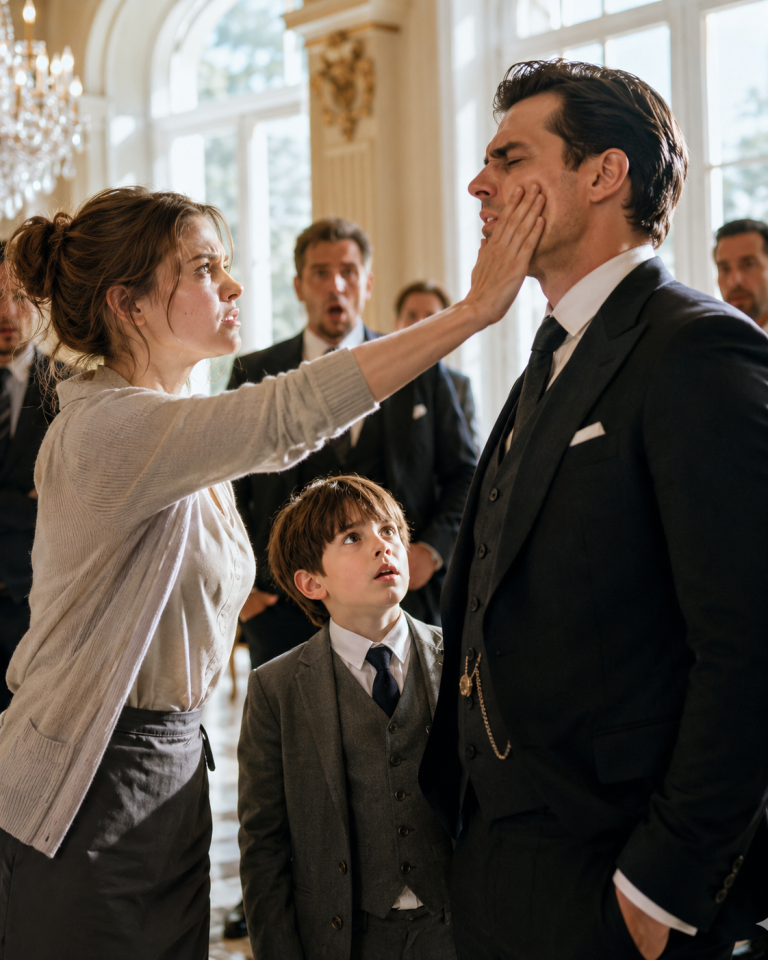
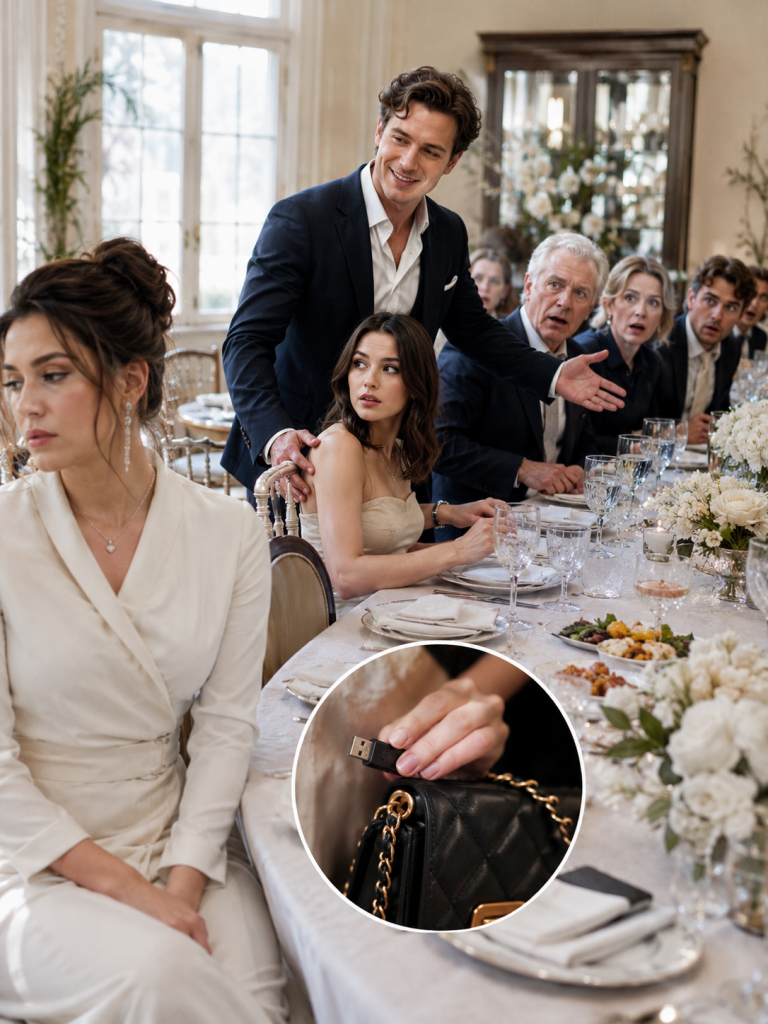
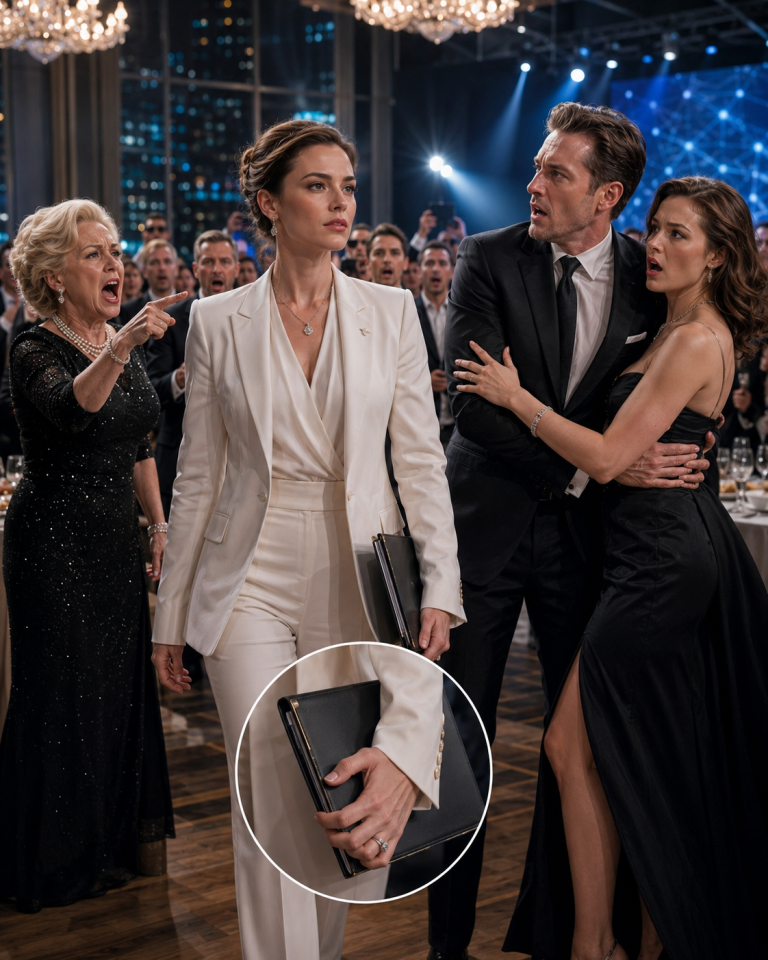
They Buried the Poor Nurse’s Life in Lies — Then an Old Dog Led the Mafia Boss Straight to the Truth


CHAPTER 1
The SUV smelled of old leather and antiseptic, and Joanna Whis sat in the back with her dog bleeding at her feet. Pearl’s ear had torn four days earlier, the day an enforcement officer kicked the clinic door shut with the animal still behind it, and the wound hadn’t closed because Joe couldn’t afford proper suture thread. Now she had a needle. She stitched bare-handed, no gloves, each pass even and slow, and Pearl didn’t flinch, because the old dog had learned long ago that being sewn shut didn’t require a promise that it wouldn’t hurt.
Dena, thin and newly assigned, watched Joe’s hands until she couldn’t stand the silence anymore.
“Your hands don’t shake.”
Joe didn’t look up. She drew the needle through the tender skin at the edge of Pearl’s ear.
“When they do,” she said quietly, “I’ll stop being a nurse.”
Outside, the Garden District swallowed the last of the afternoon light, oaks draped in moss hanging over a road too beautiful for a woman like her to be driving through. In the pocket of her borrowed coat, zipped where no one had thought to look, were seven riverstones — one for each patient who had died at her clinic with no family to claim the body. In Buckton, where she’d grown up, the dead were returned to water, not dirt, and Joe hadn’t found water clean enough in this city to let them go. She carried the stones because she didn’t know how to stop.
She didn’t know yet that where she was headed, an eighth stone waited for her — heavier than the other seven combined, with a name attached to it.
The gate opened. The car stopped. Dena led her in through the side door, not the front, and Joe didn’t ask why. The hallway was narrow, the light a dull yellow, the air thick with old wax and damp oak — the smell of a house that had lived too long and remembered too much. Her room was on the service floor, unnumbered because no one stayed long enough to need remembering: an iron bed, a thin pillow, a faucet that ran cold for three full seconds before offering any warmth at all.
She sat on the edge of the mattress and listened to the house.
Ten minutes later, a small knock. A boy of about seven stood in the hallway in oversized pajamas, a tired young woman behind him with one hand on his shoulder.
“He insisted on saying hello,” the woman said. “I couldn’t stop him.”
Pearl lifted her nose, sniffed the boy’s shoe, licked the back of his hand once.
“The dog accepts me now,” he announced, very seriously.
Joe crouched to his eye level. “She accepts people faster than I do.”
He laughed, missing a front tooth, and his mother pulled him gently away down the bright hallway until they turned toward the stairs and were gone.
Near midnight, heavy footsteps passed through the corridor — too heavy for Dena, too fast for the young mother. They stopped outside her door. One beat. Two. Joe lay still in the dark and did not breathe. Pearl lifted her torn ear toward the sound, then lowered her head again, as though whatever had passed wasn’t frightening, only worth remembering.
The footsteps moved on.
Before dawn, out of seven years of habit, Joe woke to check on patients who no longer existed. She found the kitchen instead — high-ceilinged, built to feed thirty, empty except for the smell of old coffee. She ran the tap, bent to splash water on her face, and felt someone behind her before she heard him.
She lifted her eyes to the small mirror above the sink.
A man stood in the doorway, both hands wrapped around a cup of black coffee, one shoulder against the frame, watching her the way no one looks at a stranger — as though trying to read something on her back that she didn’t know she was carrying. He was taller than she’d pictured, his pale shirt buttoned to his throat like a man who had spent years making sure no part of himself was ever exposed unless he allowed it.
Neither of them spoke. He drank, set the cup down, and left. The same heavy rhythm she’d heard at midnight. And Joe, standing at the sink with cold water running over her fingers, realized she had forgotten to breathe out.