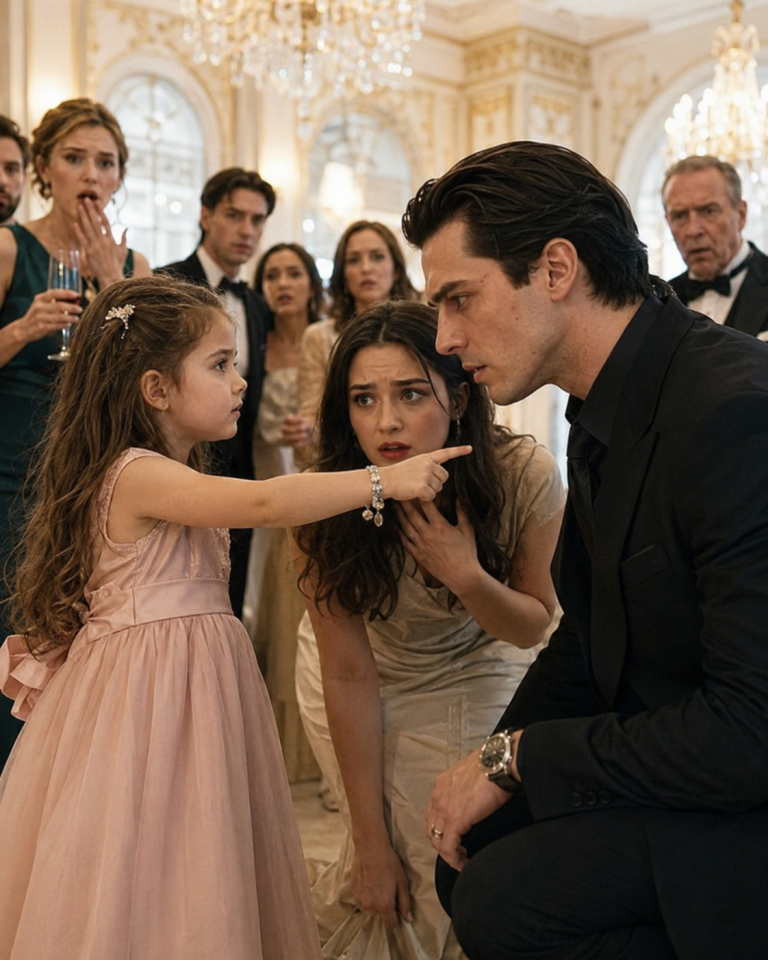
HE CANCELED HER BOARDING PASS AND TEXTED “MAYBE THIS WILL TEACH YOU INDEPENDENCE” — HE FORGOT HE WAS FLYING ON HER AIRLINE

PART 1
Grant had not always been cruel.
That was the honest accounting of it. Cruelty, when it is a man’s natural condition, at least gives a woman clean information. But Grant Cavanaugh had been charming first — genuinely, usefully charming, the kind that opens doors and remembers names and makes older women feel adored without sounding rehearsed — and that charm had done its work so thoroughly that the cruelty, when it arrived, had nowhere obvious to be blamed.
She had met him at a donor dinner in Boston. He was pitching three private investors on his conviction that boutique travel could feel like memory if the service was intimate enough. He was handsome and nervous in equal measure, and he didn’t know who she was, not really. He knew her first name. He knew she worked with *family assets*. He knew she wore simple jewelry and listened more than she spoke.
He did not know that Kensington Trust held quiet positions in hotels, aircraft leasing, freight logistics, and three private aviation companies. He did not know her grandfather had built a shipping fortune or that her grandmother had multiplied it by refusing to let men explain risk to her more than once.
She liked, at first, that he didn’t know.
That was her mistake. She mistook his ignorance for innocence.
After dessert, he asked what she thought of his pitch. She told him the concept was beautiful and the numbers were decorated instead of disciplined. He laughed. Then he asked if she would look at the model. She did. For six months she helped him quietly — correcting vendor agreements, renegotiating a debt maturity, introducing an operations consultant who saved his Newport property from a failing inspection. He called her brilliant then. He called her steady. He proposed at the end of the dock behind that same Newport house, fog over the water, spring wind cold enough to explain why both of them were shivering.
*I don’t need your name,* he said. *I just want your life beside mine.*
She believed him.
That was the tragedy of women who have learned to be capable. They still want to be loved for something softer than usefulness.
For the first year, he brought coffee to her office. He read the business pages and asked her opinion. He introduced her at dinners as *Naomi, who is smarter than everyone at this table.*
Then Cavanaugh House started growing. Media noticed him. Investors liked him. Sloane Merritt arrived as a *brand consultant* — executive image, luxury positioning, all the clean language rich men use when the truth has better legs and a hotel key. Grant loved being seen through her lens.
*You need people who understand public attention,* Naomi said.
He kissed her forehead. *That’s why I have you.*
But he stopped asking her to look at contracts. He said investors found family wealth intimidating. He said she seemed happier away from the noise. He started calling her *delicate* in front of people. Then *simple.* At a dinner in Palm Beach, he told a table of investors: *Naomi is happiest at home.*
She looked at him. *You know that isn’t true.*
He smiled without looking at her. *She’s modest.*
The table laughed. Not cruelly. Not yet. That was how it began — small public edits to her identity, small corrections, small jokes that taught the room to accept his version of her.
Sloane learned the language quickly. She called Naomi *sweet.* Then *traditional.* Then once, after two glasses of white wine: *almost invisible in the best way.*
Grant heard it.
He smiled.
That was when Naomi stopped explaining. She had seen enough boardrooms to know when a man was building a narrative before filing the paperwork.
So she became quiet. Not defeated. Quiet.
The Aurelia Airways acquisition had begun nine months before JFK. Kensington Trust had been watching the airline for years — elegant but undercapitalized, strong routes, loyal premium customers, an old brand worth saving. Her grandmother had loved Aurelia because it was one of the last carriers that still treated passengers like people instead of cargo with credit cards. When a European fund tried to force a breakup, Naomi moved. Through Kensington Trust, they acquired debt, then preferred shares, then board influence, then — that Tuesday morning at 8:01 — control.
Grant knew none of this.
He thought she was flying with him to Aspen because wives attend brand retreats when husbands permit it. He thought she would sit beside him and smile at Sloane’s polished disrespect and pretend not to notice the way his hand rested near hers at dinner.
Instead, he canceled her ticket.
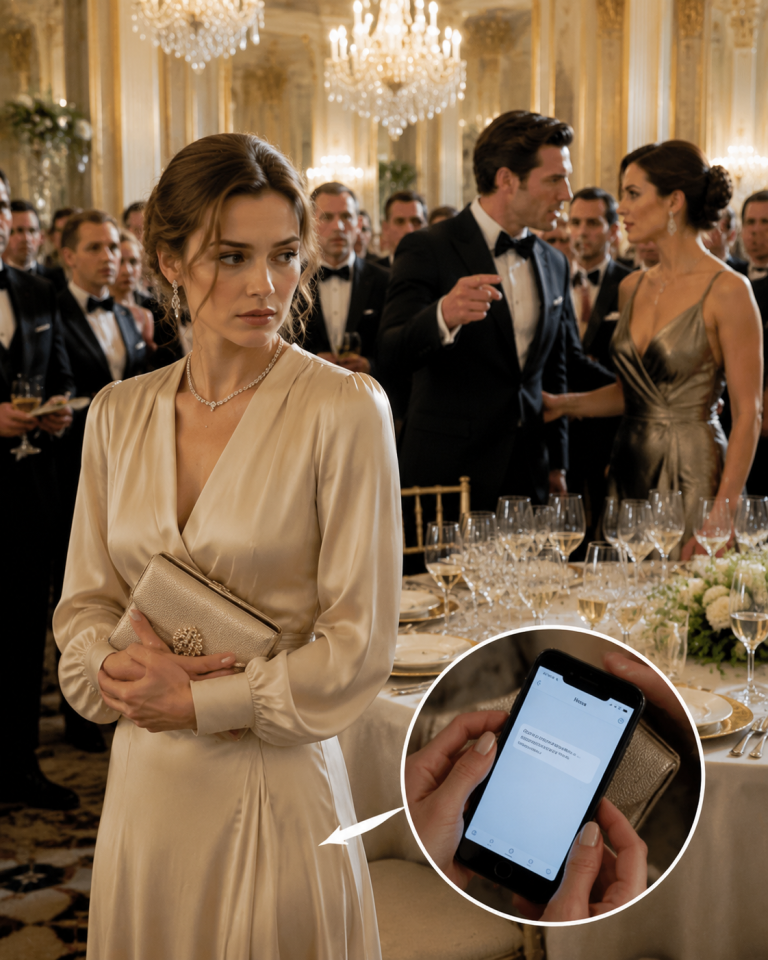
He stood somewhere past security with Sloane Merritt and erased Naomi from the flight while she was still walking through Terminal 4, and then he composed a text about independence, and sent it one minute after the cancellation confirmed, because he wanted the lesson to land in the correct order: humiliation first, then explanation.
She was still reading the text when Tara’s expression shifted at the desk.
She was still reading it when the women in cashmere saw Sloane’s Instagram story before she opened it herself.
She was still reading it when she understood, with a clarity she had not felt in three years, that everything Grant had believed about her — that she was decorative, containable, educatable by public embarrassment — was about to become very expensive.
*Please do not rebook me yet,* she told Tara.
*I’m sorry?*
*I need you to preserve the cancellation record.*
Tara’s posture changed in the way that service professionals’ postures change when they sense that the power in a situation has just redistributed.
Three emails from her assistant Elise arrived in sequence.
*Acquisition closed. Board notified. Julian Vale requests confirmation of your arrival.*
Naomi looked at the screen.
Then at Tara.
Then at the passengers still pretending not to be watching.
Through the floor-to-ceiling windows, beyond the jet bridge, the aircraft waited.
Grant was in Seat 2A. Sloane was beside him with the champagne. The departure authorization was sitting on a tablet somewhere in this terminal, waiting for the signature of the person who now controlled whether that plane moved at all.
*Please do not rebook me,* Naomi said again. *Not yet.*
Then Julian Vale walked through the crowd.
He stopped in front of her with the unhurried authority of someone who had spent years running rooms where panic was expensive.
*Ms Kensington,* he said. *I am so sorry for the inconvenience.*
—
PART 2
She looked at the man who ran her airline.
*May we step aside?* he asked.
*No.*
A small, precise surprise crossed his face.
She looked at the passengers around them — the teenagers, the cashmere women, the man near the coffee stand who had now become very interested in his shoes.
*These people watched the humiliation,* she said. *They can watch the correction begin.*
Julian’s mouth tightened, almost imperceptibly. Then he nodded.
*As you wish.*
The concierge’s tablet produced the cancellation log. *Authorized user: Grant Cavanaugh.* The linked account access. The timestamp. The fact that Grant had used marital profile permissions to remove his wife from a flight she had every right to board, on an airline she had just finished purchasing.
Julian’s jaw tightened. *Would you like this documented?*
*Document everything.*
Sloane posted again. A short video this time — champagne glass, Grant’s hand, the Aspen itinerary, and in the corner of the frame, visible for exactly four seconds before she realized what she’d included: Naomi’s dark green passport cover.
Sloane’s voice floated through the clip: *Some wives need to learn when the trip is no longer theirs.*
Julian watched it once. Then he looked toward the aircraft door.
Naomi’s phone rang. She answered on speaker.
*Elise.*
Her assistant’s voice came through brisk and clear. *The cancellation log is now flagged as unauthorized manipulation of a controlled passenger record due to the change in ownership status.* A brief pause. *Do you want me to notify counsel?*
*Already done.*
*Good.* Then Elise’s voice shifted — just slightly, just the fraction that years of professional friendship produces. *Naomi. Are you all right?*
That almost broke her. Not Grant. Not Sloane. Not the whispers or the phones. Simple, direct kindness from a person who had been watching her become smaller for three years.
*I am standing,* Naomi said.
Elise understood. *You always do.*
The call ended.
From the jet bridge, a flight attendant emerged holding something dark green in her hand. She walked toward them carefully. Not frightened — respectful.
*Ms Kensington.* She extended it. *This was found in Seat 2A.*
Every person at Gate 12 heard her.
Julian took it and placed it in Naomi’s hands.
Her passport cover. Gold initials. Her name, in her hands, returned to her.
*Would you like security to retrieve the passenger currently occupying that seat?* Julian asked.
Naomi looked at the leather in her palm. Then down the jet bridge.
*Not yet,* she said.
Her phone buzzed.
Grant: *Stop embarrassing yourself. Go home.*
She turned the screen toward Julian.
His face went cold.
*That will be included,* he said.
The departure authorization was already on the tablet.
Waiting.
—
PART 3
She did not sign immediately.
That was important.
A lesser version of her might have canceled the flight. A younger version might have ordered Sloane removed in front of everyone, might have let the cameras capture the maximum humiliation, might have answered cruelty with spectacle. A wounded version — the version Grant had been systematically manufacturing for three years — might have done nothing at all.
But her grandmother had spent a long life teaching her one thing above all: *power used too quickly looks like pain wearing a crown.*
Naomi had no intention of looking wounded in front of people who had already mistaken her silence for weakness.
*Hold departure pending shareholder review,* she said.
Julian nodded once. The concierge entered the instruction. The aircraft door remained open.
Grant called a moment later. She answered.
*What are you doing?* His voice was low and furious in the specific way of men who have arranged public humiliation and are now discovering that the stage doesn’t belong to them.
*I was going to ask you the same question.*
*Naomi, stop this.*
*Stop what?*
*Whatever performance you are staging at the gate.*
*You mean the gate where you canceled my ticket.*
Silence. Then: *I was trying to make a point.*
*By stranding your wife.*
*By teaching you that you cannot attach yourself to every part of my life.* The sentence beneath the sentence, finally audible: *my* life. *My* trip. *My* brand. The sky arranged to belong to him while she stood in the terminal holding a dead boarding pass.
Behind him, faintly: *Grant, is she still there?*
Sloane.
He lowered his voice. *You need to go home.*
*No.*
*Naomi, you are embarrassing both of us.*
She looked at Julian, who was watching her without intruding, without rescuing, simply witnessing. *No, Grant. You embarrassed yourself at eight forty-three.*
His voice changed. *What does that mean?*
*It means you used linked account access to cancel my passenger record.*
*It was our reservation.*
*It was my seat.*
*You were not invited.*
*On whose airline?*
The silence that followed had a different quality than all the ones before it. Not the silence of a man composing his next move. The silence of a man who has felt the floor shift beneath him and is trying to determine the new architecture.
*What did you say?*
*Kensington Trust finalized the Aurelia acquisition this morning.*
He laughed once. The laugh of a reflex against terror. *What are you talking about?*
*Julian Vale is standing in front of me.*
And then, quietly, from Grant: *Naomi.*
Her name said differently than it had been said in years. Not affectionately. Carefully. The way you say the name of a document you have just realized you misread.
*I listened for three years,* she said.
*That’s not fair.*
*No.* She let the word settle. *What happened this morning was not fair.*
His breathing changed. *You never told me.*
The old accusation. Not that he had harmed her. That she had failed to warn him.
*I didn’t hide Naomi Kensington,* she said. *You stopped looking for her.*
She ended the call.
*Document the call,* she told Julian.
*Already being done.*
*I want Sloane’s posts preserved. The cancellation log. The cabin incident report. The passport cover as potential misuse of personal property.*
*Yes.*
*I don’t want the flight canceled for innocent passengers.*
Julian’s expression changed. Something that was not quite surprise, not quite admiration. Recognition, perhaps, of a quality he had not had time yet to fully map.
*I want Grant Cavanaugh and Sloane Merritt removed from the cabin before departure. Privately enough to protect the other passengers. Not so privately that the record disappears.*
*Very clear.*
The security officers moved toward the jet bridge.
—
Grant appeared at the top of the jet bridge three minutes later.
Sloane was behind him.
The champagne and the staging were gone. What was left without the audience she’d designed for was someone younger than her captions had suggested, and harder in a way that did not improve her.
Grant saw Julian first. Then the officers. Then the waiting passengers. Then Naomi.
He straightened his jacket. That was his talent — his face could reorganize faster than most people organized flowers, and he deployed it now, assembling composure from materials that no longer quite fit the frame.
*Naomi,* he said. Level. For the audience.
She did not move.
Then she saw it: Sloane was holding a passport cover. Dark green. Gold initials.
*S.M.*
Not hers.
Her own was in her hand.
The realization arrived slowly, the way things do when they’re too specific to be absorbed quickly. Sloane had bought a matching cover. Had staged the photo with Naomi’s — found in Seat 2A, returned by a flight attendant who understood exactly what she was returning — and then kept her own ready. A prop. A practice run. A rehearsal of replacement.
Grant’s eyes moved from the cover in Sloane’s hand to the one in Naomi’s.
A terrible silence opened between them that had nothing to do with Naomi.
*Sloane.* Grant’s voice had lost its composure. *Why do you have that?*
She laughed too quickly. *Because I liked the color.*
*No,* Naomi said. *You liked the initials.*
Sloane’s eyes flashed. *I didn’t steal your life, Naomi.*
*No.* Naomi held her gaze. *You only tried to photograph yourself inside it.*
Grant turned on Sloane with the expression of a man discovering that the person he weaponized against his wife had been keeping records of her own. Men like Grant tolerated cruelty best when they believed they were directing it. They disliked learning they were also a prop.
Security stopped beside them.
Julian spoke. *Mr Cavanaugh, Ms Merritt, you are being removed from this flight pending review.*
Grant’s face reddened. *You cannot do that.*
*I can.*
Grant looked at Naomi. The appeal — not to love, not anymore, but to the habit of her. To the woman who had softened consequences for three years because she wanted peace. *Naomi.*
She held his gaze.
*You wanted me to learn independence,* she said.
His mouth tightened. *I was angry.*
*No.* She lifted the passport cover. *You were cruel.*
Sloane’s phone buzzed in her hand. She looked down, and the color left her face, and Naomi did not need to ask why. The internet had begun doing what it always does — saving what people delete, amplifying what people try to erase, providing the permanent record that impulse assumes it can avoid.
Grant’s phone buzzed next. Then again. Then again. Investors. His publicist. The board of a company whose brand consultant had just become its brand crisis.
Julian turned to Naomi. *Ms Kensington, the board is still awaiting your arrival.*
*I’m ready,* she said.
Grant’s voice cracked slightly. *You’re still going to Aspen?*
She looked at the aircraft. *I’m going to the board.*
—
Julian flew with her to the retreat outside White Plains, where the directors had gathered for the transition meeting. Not because she needed escorting. Because the CEO of a newly controlled airline understands when the person who signed its future is sitting across from him.
For the first twenty minutes, they discussed routes. Labor relations. Deferred maintenance. Capital injection. The European fund that had tried to strip Aurelia for parts.
Julian was precise. He did not flatter. That made her trust him faster than praise would have.
*I owe you an apology beyond the gate incident,* he said.
She looked up from the packet. *Do you?*
*Our linked account system allowed one passenger too much control over another passenger’s record without adequate verification.*
*That is operational.*
*It became personal because of our system.* He held her gaze. *I dislike discovering that someone used my company as a weapon against the person who just saved it.*
The word landed differently than she expected. Not *acquired.* Not *controlled.*
Saved.
She looked out the window. Clouds below them like folded white.
*My grandmother loved Aurelia,* she said. *She said it had manners.*
*She did.*
She turned back. *You knew her?*
*Once. Fifteen years ago. I was a junior route analyst and contradicted a consultant during a presentation.*
*That sounds like something she would enjoy.*
*She told me a man willing to be disliked for the right reason was useful.* He paused. *She also said Aurelia would one day need someone who loved structure more than noise.*
*Did she mean you?*
*I thought so then.* He looked at her. *I suspect she meant you.*
The sentence stayed with her all the way to White Plains.
—
The board meeting began at eleven fifteen.
By then, the JFK story had already started moving through private channels — Grant removed from first class, Sloane’s posts documented, Kensington Trust chair confirmed as controlling shareholder. Naomi took her seat at the head of the table. No one corrected her. That was the first quiet victory.
When the standard presentations concluded, Julian paused.
*There is also an immediate passenger account security matter.*
Naomi opened Tara’s folder. *This morning, my spouse used linked account authority to cancel my passenger reservation without consent.* A director named Hensley cleared his throat. *With respect, is that a personal issue?*
She looked at him. *An airline system allowed one premium passenger to manipulate another passenger’s travel record without adequate verification.* A beat. *It became personal because I was the passenger.*
Helen Marwick, the older woman at the far end of the table, picked up the screenshots. Her eyes sharpened. *Is that your passport cover?*
*Yes.*
*And she posted it.*
*Yes.*
Helen set the papers down. *Disgusting.*
Naomi liked her immediately.
Three hours later, the board had approved a review of linked profile permissions, a freeze on certain premium access features, and the beginning of a passenger dignity initiative with no name yet. Then Naomi’s phone buzzed.
*Grant is here.*
Two minutes later, Grant Cavanaugh entered the boardroom with his attorney.
The attorney began before Grant sat. *Mrs Cavanaugh, we believe there has been a misunderstanding that can be resolved without further reputational damage.*
Helen Marwick laughed. It was not a friendly sound.
Naomi looked at Grant. *You brought a lawyer to my board meeting.*
*I brought counsel to protect both of us.*
His attorney said, *My client acted within shared account permissions.*
Julian: *Shared account permissions are under review for misuse.*
*And you are?*
*Julian Vale.*
Pause. *The CEO.*
*Yes.*
Grant looked at Naomi. *I want to speak alone.*
She thought of the Newport dock. The fog. *I don’t need your name, I just want your life beside mine.* She thought of the text: *Maybe this will teach you independence.* She thought of the three years of small public edits to her identity, the practiced jokes that taught the room to accept his version of her.
*No,* she said.
He flinched. Not dramatically. Just enough.
His attorney opened a document folder. *We would like to discuss a joint statement regarding Ms Merritt’s presence on the aircraft as business-related.*
Helen Marwick looked at the screenshots. *Was the passport cover business-related?*
Silence.
Naomi stood. She handed Julian a document. He read it quickly and looked at her.
*Are you sure?*
*Yes.*
Grant’s attorney said, *What is that?*
*A conflict notice.* She looked at Grant. *Cavanaugh House has pending partnership proposals with Aurelia Airways for Aspen, Newport, and Palm Beach premium travel packages.*
His expression shifted. He had forgotten. Or he had assumed she would not know.
*Those proposals are now suspended pending review of personal misconduct, misuse of passenger systems, and reputational exposure.* She held his gaze. *Your company does not get to profit from an airline you used to humiliate its controlling shareholder.*
His attorney rose. *We object to that characterization.*
Helen Marwick: *Noted and ignored.*
Grant stepped toward Naomi. *This will hurt employees.*
That was rich. Men always discover innocent employees when their own consequences arrive.
*It might,* she said. *That’s why we’re reviewing, not canceling. But you will not be part of any proposal involving Aurelia.*
His face tightened. *You cannot demand that.*
Julian: *Actually, she can.*
Grant looked at him with a dislike so clear it nearly changed the room temperature. Then he looked back at Naomi, and she watched something arrive in his expression that she recognized as jealousy, coming too late and too wrong to mean anything except that he had finally looked at her and seen something he’d stopped seeing years ago.
*So this is what it is?* he said.
She almost laughed. *No, Grant. This is what happens when a woman you trained yourself to overlook becomes the person authorized to say no.*
He opened his mouth. Nothing came.
Then Elise entered the boardroom. *I’m sorry to interrupt.* She looked at Grant. Then at Julian. Then at Naomi. *Sloane Merritt is live-streaming from outside the building.*
Grant closed his eyes.
*She is claiming she was misled. That he told her you had agreed to the separation.* Elise set the tablet on the table. *She is also showing messages.*
Sloane’s face filled the screen. Her makeup was perfect except under the eyes. Her voice shook with the specific register of someone trying to survive by burning the person beside them, which was a recognizable sound.
Then she held up the second passport cover.
Dark green. Gold initials.
*N.K.*
My stomach went cold — not because it was hers. Hers was in her hand.
Julian leaned forward.
Grant stared at the screen.
Sloane turned the cover over. Inside: a hotel key sleeve from the Aspen resort. Grant’s handwriting.
*Use hers until we make it official.*
The boardroom went silent.
Grant whispered, *Sloane, what are you doing?*
But she was not in the room to hear him.
Naomi looked at her husband and saw him understand, in real time, that the woman he had used as a weapon had been keeping receipts of her own. The room watched him absorb it. The way a man looks when he discovers that the story he told himself about who held the power was not the story anyone else was living.
—
Real consequences are administrative.
They arrive in emails, resignations, frozen accounts, and the sudden unavailability of people who once kissed both your cheeks and will now be busy indefinitely.
Cavanaugh House lost two investor commitments within forty-eight hours. Its Aspen partnership was suspended. Its board asked Grant to step back from external negotiations. Sloane resigned from her consulting role and attempted to rebrand as a victim of a *misunderstood personal arrangement.* No one bought it.
Naomi filed for divorce in New York County Supreme Court the following Monday. Clean. No theatrics. No emotional language. Cruelty. Misuse of shared accounts. Documented public humiliation. Financial entanglements requiring separation.
Grant came to see her three weeks later at the Kensington Trust office.
He looked thinner. Not ruined — men like Grant are rarely ruined as completely as the women they damage. But diminished. That was something.
Her assistant asked if she wanted security present. She thought of Gate 12.
*Yes.*
Grant entered without his lawyer this time. He looked around the office as if seeing it for the first time — the city behind her in glass and winter light, the dark green passport cover on her desk.
*I am sorry,* he said.
She waited.
*I was cruel.* He looked tired enough to be honest, which is different from being good. *I wanted you to feel left behind. I wanted to punish you for making me feel small.*
That was the first useful sentence he had produced in years.
*Why did I make you feel small?*
His mouth worked. *Because you were never impressed by the things other people were impressed by. Because when I succeeded, you asked whether the structure would hold.*
*That’s called risk management.*
*I know.* He looked down. *I called it criticism because it was easier.*
There was the shape of him. Not a monster — worse, in some ways. A weak man who had mistaken admiration for love and correction for disrespect, and who had spent three years arranging his world to avoid the second thing and ensure only the first.
He looked at the passport cover. *Sloane kept a copy.*
*Yes.*
*I didn’t know she had done that.*
*You gave her the original.*
*I did.* His voice broke on it. *I don’t know why I became that man.*
*Yes, you do.*
He looked up.
*You liked him.*
The words landed. He closed his eyes. After a long moment, he nodded.
That was the closest thing to truth they had left.
He stopped at the door when he left.
*Naomi.*
She looked up.
*You were never dependent.*
*No.*
*I know that now.*
She touched the passport cover. *You learned too late.*
He nodded.
Then he left.
—
Aurelia changed under Kensington Trust.
Not dramatically enough for headlines at first — that was intentional. They fixed the linked account permissions. They rewrote premium passenger protections. They created a privacy escalation team for travelers facing domestic control, stalking, coercion, or account misuse.
Julian led the operational work with discipline and unusual humility. He never used her personal experience as a marketing story. That mattered more than she had expected it to.
One afternoon, a note arrived through internal channels from Tara at Gate 12. She had requested a transfer to the new passenger protection team. She wrote that she had watched too many women apologize for problems other people created, and that Naomi’s calm at the gate had changed how she understood her job.
Naomi kept the note. Not because it praised her. Because it was proof that public pain, handled with dignity, becomes protection for someone else.
Six months after JFK, Aurelia launched the Kensington Protocol.
Passengers could restrict shared-account changes. Require independent verification for cancellations. Flag coercive travel manipulation through a dedicated escalation team.
They did not announce it with Naomi’s story.
They announced it with a single line.
*Your ticket belongs to you.*
It became the most praised customer safety initiative in the airline’s history. Her grandmother would have liked that. She had believed good governance was simply care with paperwork.
Julian and Naomi worked closely that year. People speculated — they always do, a woman cannot stand beside a competent man without strangers manufacturing a romance to explain the proximity. The truth was quieter. He respected limits. He listened before solving. He corrected her when she was wrong and accepted correction in return. He had the specific stillness of someone who had learned that the most useful thing a person can do in a high-stakes room is take up exactly the space they need and no more.
Once, after a brutal board session, they stood by a window overlooking the runway at dusk. Planes moving across the darkening field like bright, deliberate thoughts.
*Do you ever miss who you thought he was?* Julian asked.
She did not answer quickly.
*Yes.*
He nodded. That was all. No advice. No attempt to fill the silence with something more comfortable. Just the acknowledgment, offered and held.
That was when she understood how hungry she had been. Not for romance. For peace. The specific peace of a person who does not need to perform calm because no one in the room is trying to convince them they are something smaller than they are.
—
A year after the canceled ticket, Naomi returned to JFK.
Gate 12 had been renovated. New screens. Better seating. More charging stations. The same brightness that had felt like an accusation twelve months earlier.
Tara was there, now in a supervisory uniform.
*Ms Kensington.*
*Tara.*
*Your flight is ready.* She lowered her voice. *And no one else can cancel it.*
Naomi smiled.
Down the jet bridge, Seat 2A waited.
She walked toward it and thought about Grant’s text. *Maybe this will teach you independence.*
In a way, it had. Not the lesson he intended. He had thought independence meant being left alone — meant embarrassment, abandonment, a woman dragging her suitcase through a crowded terminal while strangers pointed their phones. He thought it was something you could teach a person by stripping away what they had.
He was wrong.
Independence was not standing alone at the gate.
It was knowing exactly who you were when everyone was calling you by the wrong name. It was letting cruelty make a record. It was refusing to punish innocent passengers just because your heart was breaking. It was signing a departure authorization without needing to humiliate the man who thought he controlled your seat.
She sat in 2A.
Placed the dark green passport cover on her lap.
Gold initials. *N.K.* Her name. Her grandmother’s careful preparation. The document signed beside a Newport window on a June morning while a golden, impatient man reached for the pen without reading.
The flight attendant offered champagne.
*Water, please.*
The plane pushed back from the gate. Outside, the runway opened ahead in the winter morning light — wide and silver and unconditional.
She felt no urge to look behind her.
Grant had canceled her ticket to humiliate her. He had forgotten she owned the sky.
But the better truth — the truth she carried with her through what came after, through the board meetings and the Kensington Protocol launch and the quiet mornings that now belonged entirely to her — was the one her grandmother had spent a lifetime trying to give her.
She had not needed the sky to prove she could rise.
She had only needed to stop letting someone else decide whether she was flying.
—
*THE END*